
 Greek
 English
 Czech
 Danish
 Finnish
 French
 German
 Italian
 Norwegian
 Romanian
 Spanish
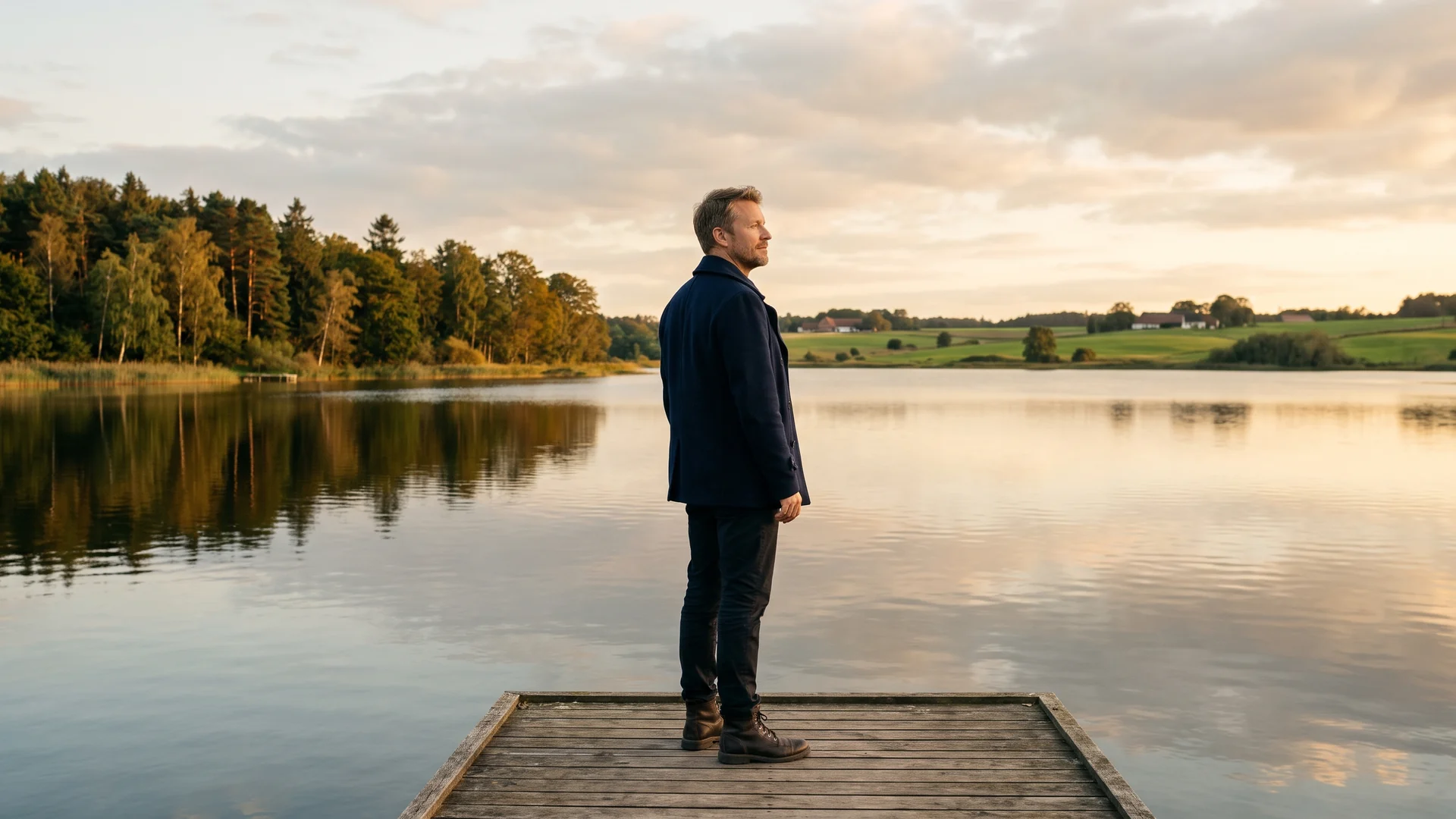
At 2:10 a.m., when cravings or sleepless restlessness hit hardest, distance is not an abstract idea – it is measured in minutes.
When an adult tries to get clean in their own neighbourhood, or inside a facility twenty minutes across town, every familiar street corner, cash machine, drinking friend, and dealer contact sits just one phone call or ten-minute taxi ride away.
Naturally, when European parents or spouses first look for serious help, their initial instinct is to search within thirty kilometres of home. Staying close feels convenient, reassuring, and easy to visit on Sunday afternoons.
Yet ask families whose adult son, daughter, or partner walked out of a local stay after twelve days – or relapsed the first afternoon they drove past their usual cafe – and they will tell you the exact same lesson: convenience for old habits is the enemy of a fresh start.
Stepping temporarily out of your home city is not running away from real life; it is creating the quiet, protected space where real reconstruction can finally take hold.
Why Your Local Postcode Keeps Re-Triggering the Nervous System
Substance dependence is never stored solely inside a bottle or a packet; over years of repetition, it becomes wired into daily geography. As we explain in Τι είναι η εξάρτηση; Γιατί τα περισσότερα ναρκωτικά προκαλούν συνήθεια, the mind records 25 mental pictures per second, linking specific streets, Friday-evening commutes, work arguments, and social circles directly with chemical relief.
When someone tries to recover ten minutes from their office and social circle, half of their daily mental energy is spent simply resisting immediate temptation. One tense phone call from a business partner, one unexpected text message at 9:00 p.m., or one impulsive walk out the front door can undo weeks of effort in fifteen minutes.
Combined with lingering physical exhaustion and fat-soluble drug residues during the early weeks, staying inside the exact postcode where the problem grew forces an exhausted person to fight on two fronts at once.
- Zero buffer on hard days: In early recovery, emotional dips last an hour or two; if a dealer is ten minutes away, an impulsive decision becomes a relapse before dinner.
- Local reputation anxiety: Adults aged 30 to 50 often hold back in local groups for fear of running into a client, neighbour, or colleague’s relative.
- Unbroken household dynamics: Staying at home keeps both partners locked in daily surveillance, suspicion, and old arguments.
True Discretion for Professionals, Entrepreneurs, and Families
For a 38-year-old business owner in Zurich, a project manager in Brussels, an artisan in Lyon, a professional in Reykjavik, or a parent in Stockholm, privacy is not vanity – it is livelihood.
In smaller cities and tight-knit professional communities across Europe, checking into a local clinic carries an immediate fear that word will leak to employees, competitors, or school parents. That fear alone keeps thousands of high-functioning adults postponing help for years (see our guide on helping a “functional” partner or adult child).
Travelling quietly to Denmark removes that social spotlight overnight. Nobody at the supermarket or business chamber knows where they are; to the outside world, they are taking a focused, private sabbatical for health and personal renewal, returning home only when they are steady, clear-eyed, and ready.
Far From Triggers, Close Enough for Family: Lake Arreso, Denmark
Choosing distance does not mean crossing oceans or dealing with ten-hour time zones. Narconon Europe was established specifically to serve families across Europe from a calm, central Nordic sanctuary.
Set on 6.3 peaceful acres right on the shores of Lake Arreso in Helsinge, North Zealand, our residential campus sits just 45 minutes north of Copenhagen International Airport (CPH). Direct flights connect Copenhagen in roughly 1.5 to 3 hours from Switzerland, France, Belgium, Sweden, Norway, the United Kingdom, Germany, Italy, Spain, and Iceland.
Instead of concrete corridors, traffic sirens, or city temptations, participants wake up to open water, quiet forest paths, clean Scandinavian air, and an international community focused entirely on drug-free rebuilding.
Why Returning Home Works When the Person Inside Has Changed
Families sometimes ask a fair question: “If they recover in peaceful Denmark, won’t the old triggers still be waiting when they fly home?”
They would – if the stay were merely a short 21- to 28-day pause. That is why Narconon Europe’s secular, non-medical educational and social residential programme uses the calm environment of Helsinge not to hide from life, but to rebuild the person from the ground up before they step back onto home soil.
Through drug-free withdrawal support, the supervised sauna, exercise, and nutritional New Life Detoxification regimen, present-time Objective Exercises, and practical Life Skills courses, participants regain physical stamina, clear mental focus, and personal integrity. Before graduating, each student works with staff to build a concrete re-entry plan covering work routines, social boundaries, and family communication.
Medical safety is respected at every step: Any decision to reduce or stop a prescribed medication must always be made with the prescribing physician. Where heavy alcohol use or specific medications require medical tapering or medical detoxification prior to travel or entry, this is coordinated beforehand with a qualified physician.
Published evaluations show what happens six months after graduates return to everyday life. In Lennox, Sternquist & Paredes (2013), published in Substance Abuse: Research and Treatment (N = 323 graduates), 73.5% reported remaining drug-free six months after completing the programme. Likewise, a Nordic evaluation at Narconon Eslov, Sweden (2010-2012, N = 49) found 80% drug-free after the first six months and 77% employed or studying. These results described are based on data collected regarding short- and intermediate-term efficacy of treatment. Individual results are not guaranteed and may vary.
How to Frame the Journey for Your Loved One
When you sit down as an aligned family and apply our 14 Rules for Addiction Help, never present travelling to Denmark as exile. Present it for what it genuinely is: a dignified, confidential breathing space away from every pressure and bad habit, where they can reset their body and mind properly once and for all.
100% Confidential Family Support – Helsinge, Denmark
Unsure What to Say or Do Next for Your Partner or Adult Child?
You do not have to wait for a crisis or carry this alone. Take our calm 60-second Confidential Situation Check to receive our free 14 Rules Family Guide and discrete, non-judgmental guidance tailored to your family’s situation – with no cold calls.
Complete Family Guidance Series
- How to Help a Partner or Adult Child Using Cocaine When Life Still Looks “Functional”
- Why Short 21- to 28-Day Stays So Often End in Relapse: What Families Need to Know
- Living With a High-Functioning Alcoholic Partner or Adult Child: Breaking the Cycle of Broken Promises
- When Family Members Disagree on How to Help an Addicted Loved One: Getting Everyone on the Same Page
- Why Leaving Your Local Environment Is Often the Turning Point in Overcoming Addiction (Current Guide)
Related Educational Foundations
- 14 Κανόνες για τη βοήθεια ενός εθισμένου συγγενή
- Τι είναι η εξάρτηση; Γιατί τα περισσότερα ναρκωτικά προκαλούν συνήθεια
- Πόσο καιρό παραμένουν τα ναρκωτικά στο σώμα; Εξήγηση των υπολειμμάτων που διασπώνται με τη λιπώδη οδό
- Το αλκοόλ είναι Ναρκωτικό; Πώς δρά το αλκοόλ στο σώμα
Frequently Asked Questions
Q1: How easy is it to reach Narconon Europe in Helsinge from other European countries?
Helsinge sits 45 minutes north of Copenhagen International Airport (CPH), which is 1.5 to 3 hours by direct flight from major airports in Switzerland, France, Belgium, Sweden, Iceland, Germany, the UK, and across Europe. Arrival pickup at Copenhagen Airport can be coordinated directly.
Q2: What if my loved one does not speak Danish?
You do not need to speak Danish. Narconon Europe is the continental centre for Europe, welcoming adults from across the continent with multilingual staff and study materials available in major European languages.
Q3: Does going away for rehabilitation mean running away from real-world triggers?
No. Stepping out of your local environment removes immediate dealers and habits during the vulnerable early weeks so physical detoxification and life-skills training can actually finish. Before returning home, each participant prepares a practical re-entry plan for work, friendships, and family life.
Q4: Is Narconon Europe a hospital or medical clinic?
No. Narconon Europe delivers a secular, non-medical educational and social residential rehabilitation programme on a peaceful 6.3-acre estate by Lake Arreso. Any decision to reduce or stop a prescribed medication must always be made with the prescribing physician. Any medically required detoxification prior to arrival is arranged with a qualified physician.
Q5: Will employers, clients, or neighbours in our home country know about the stay?
Strict confidentiality is maintained in accordance with European privacy standards. Stepping away to Denmark also spares adults the discomfort of being recognized at a local clinic in their own hometown.